Google has become involved in a trademark battle with another company with a very similar name, brand image and logo. In this post, we will discuss everything related to the Google copycat.
A brief overview of Google
While pursuing their PhDs at Stanford University in 1998, Larry Page and Sergey Brin started Google. It originally began as a “Backrub” research project to create a more effective search engine algorithm. Later, they changed the name to “Google” and put the search engine online, which became well-known for its straightforwardness and precise search results.
Google moved its corporate headquarters to Mountain View, California, in 2000 after becoming formally incorporated. It quickly gained popularity and grew to become the leading search engine, expanding its offerings to include Gmail, Google Docs, Maps, and many other services.
When Google made its first public offering (IPO) in 2004, Page and Brin became billionaires. Google has been acquiring businesses and innovating over the years, including YouTube in 2006.
Arguably the most trusted search engine in the world Google fights to remove a trade mark which seems to infringe on the tech giant’s famous coloured “Google” trade mark. The Google copycat is registered under the name “Google Enterprises Private Limited” and is a Local Indian consultancy firm that specialises in trading and consultancy for related dealings.
In 2015, Google underwent a corporate restructure and changed its name to Alphabet Inc. Larry Page serves as the company’s CEO, and Sergey Brin is its president. Alphabet Inc. was established to manage a variety of enterprises.
One of the most important technology businesses in the world today is Google, which is owned by Alphabet. With its dominant search engine, advertising platforms, cloud computing services, Android operating system, hardware products like Pixel smartphones, smart home products, and investments in cutting-edge technologies like artificial intelligence and autonomous vehicles, it provides a wide range of services and goods.
The Google copycat is not established
Google was established in 1998 and is a worldwide search engine used by approximately 70 per cent of users. The mark has been recognised by the Indian Trade Mark Registry as they have included the Google mark in its list of well-known trademarks.
The defendant applied for trade mark registration for 2 figurative marks both under class 35 for advertising business management and retail services, and under class 42 for scientific and technological designs.
The marks can be seen below:

It is very clear that the Google copycat tried to ride on the coattails of Google as is shown by the conceptual similarity between the Google LLC mark and both of the infringer’s proposed mark.
Google LLC became aware of the infringing application and served a cease-and-desist letter to Google Enterprises due to the high level of visual similarity between each other’s trademarks. Subsequently, Google Enterprises withdrew its application for the two above marks as a result of the letter.
Lawsuit filed against Google copycat
Additionally, Google LLC filed a lawsuit against Google Enterprise for the purpose of seeking a permanent injunction on the basis of misuse of their well-renowned trade mark.
Google purported that the local consultancy firm was using the trade mark in a way which would cause consumer confusion and possibly damage its reputation and goodwill.
Particularly, from the fact that Google Enterprises was using the oppositions trade mark in its website name, online platforms and social media accounts.
The Delhi High Court sides with Google
The Delhi High Court held that the Google copycat intended to fool the public into believing that that had an association with Google.
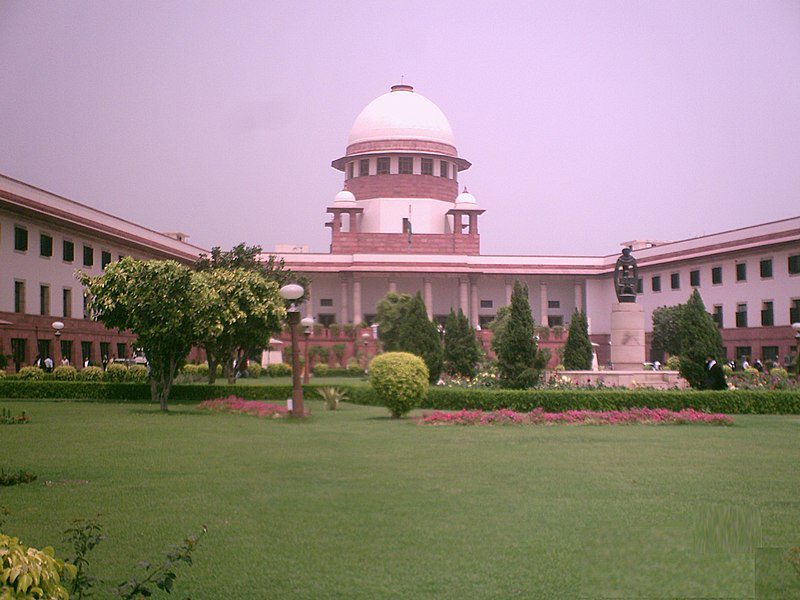
The Court ruled in favour of Google LLC and awarded damages of ten million Indian Rupees which is equivalent to almost £100,000. In order to maintain Google’s brand reputation, the Court also ordered the defendant to give all printed material with the word Google to Google’s representative for the purpose of destroying them.
The Court further directed to block access to the Google copycat’s website as it included the word ‘Google’ within the domain name.
As we can see, trying to benefit from an already well-established company’s trade mark will certainly attach detriment in some form. Thus, it is safer to appoint a legal representative to instruct you appropriately to ensure this does not happen.
If you have any queries related to the Google Copyright or an alternative matter, contact our expert team of solicitors through:
or alternatively, give us a call on 023 8023 5979
By Zohaib Tahir, an LLM student at Solent University
References for Google copycat
Here are some references we used for this article about the Google copycat, the Court, Google and more. Please browse them below.
- Google (Wikipedia.ORG)
- Google was established in 1998 (Wikipedia.ORG)
- Google LLC (Wikipedia.ORG)
- The Delhi High Court (DelhiHighCourt.NIC.IN)
- Mountain View, California (Wikipedia.ORG)
- Gmail (Wikipedia.ORG)
- Google Docs (Wikipedia.ORG)
- Maps (Wikipedia.ORG)
- YouTube (Wikipedia.ORG)
- Sergey Brin (Wikipedia.ORG)
- Alphabet Inc (Wikipedia.ORG)
- Larry Page (Wikipedia.ORG)
Posts related to Google copycat
Below are some posts which have been curated to match the topic of this post: the Google copycat. Please browse the posts below related to the Google copycat.
- Google expresses concern over Australian defamation ruling
- The Mark Wing Podcast Ep.35 – ‘Oh Crumbs! Facebook and Google have been hit with a huge fine in respect of their use of cookies.
- Google Nest falls victim to trademark infringement claims
- The U.S Supreme Court rules in favour of Google in copyright dispute
- Google AdWords – What are the Pros and Cons of the online business advertisement opportunity
- Google AdWords – The new virtual way to promote your business.
- Sonos file another lawsuit for patent infringement against Google.