Skip to content


In this episode of the Mark Wing Podcast for Lawdit Solicitors, solicitors Ellis and Abhi delve into an intriguing aspect of intellectual property law – the intersection of copyright and the culinary world, specifically focusing on a case about cheese.
Understanding Copyright Basics
Copyright is an unregistered intellectual property right that arises automatically. It protects the expression of ideas in literary, dramatic, artistic, or musical works, provided they are original and have been materialised in some form.
The Cheese Conundrum: Can Taste Be Copyrighted?
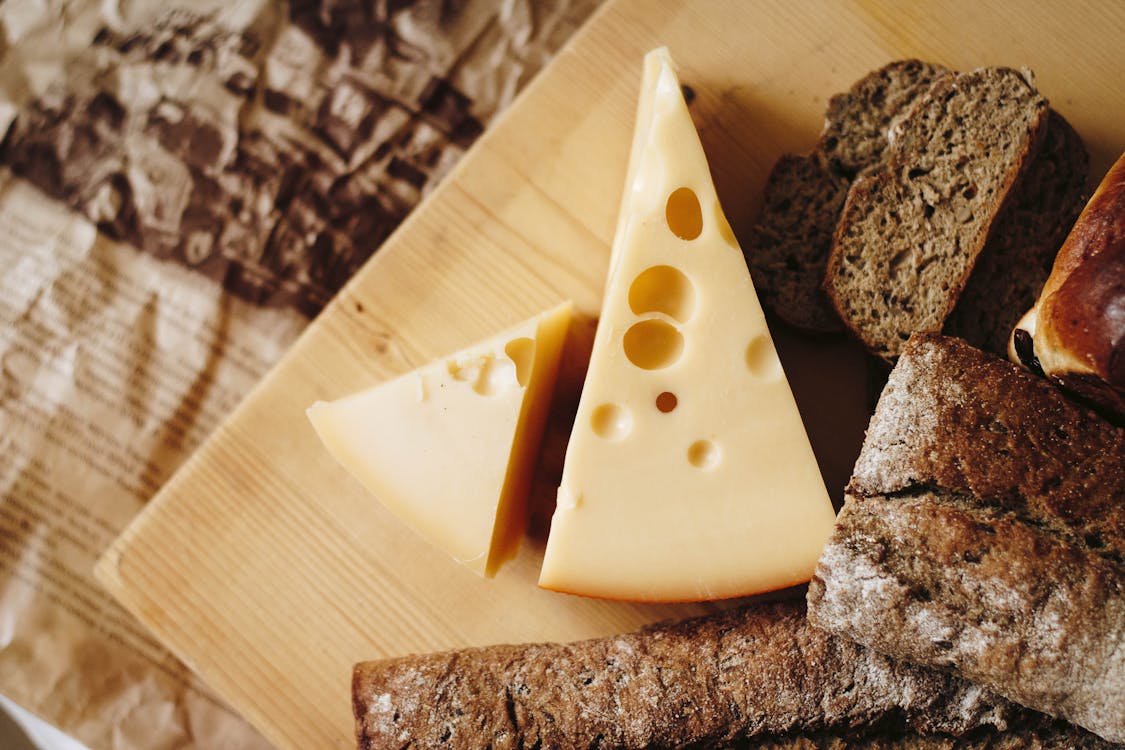
The podcast discusses the case of Lavola vs. Smildy Foods, a legal battle centred around the question: Can you copyright the taste of cheese? Lavola, a manufacturer of spreadable cheese, accused Smildy of infringing the copyright of their cheese’s taste. The argument was that the cheese was an intellectual creation, and Smildy’s product had an identical taste.
However, the courts ruled that the taste of cheese could not be protected by copyright. The reason? Taste is too subjective and varies significantly from person to person, making it impossible to establish a standard for originality.
The Role of Technology in Copyright Law in the Food Industry
The podcast highlights an essential point: the role of technology in copyright law. Currently, the lack of technology to objectively measure taste means that food flavours cannot be copyrighted. However, advancements in this area could change the legal landscape, opening possibilities for food manufacturers to protect their unique flavours.
Implications for the Food Industry
This ruling has significant implications for the food industry. While it might be a disappointment for manufacturers hoping to protect their products’ tastes, it also maintains a level of freedom in culinary creativity. The decision underscores the importance of understanding the nuances of intellectual property law in different sectors.
Conclusion: The Evolving Nature of Copyright Law
The podcast concludes with a reflection on the evolving nature of copyright law and its potential future developments. As technology progresses, we may see new dimensions of intellectual property rights emerging, particularly in the food industry.
For more insights and assistance on copyright and intellectual property law, reach out to Lawdit Solicitors.