Skip to content
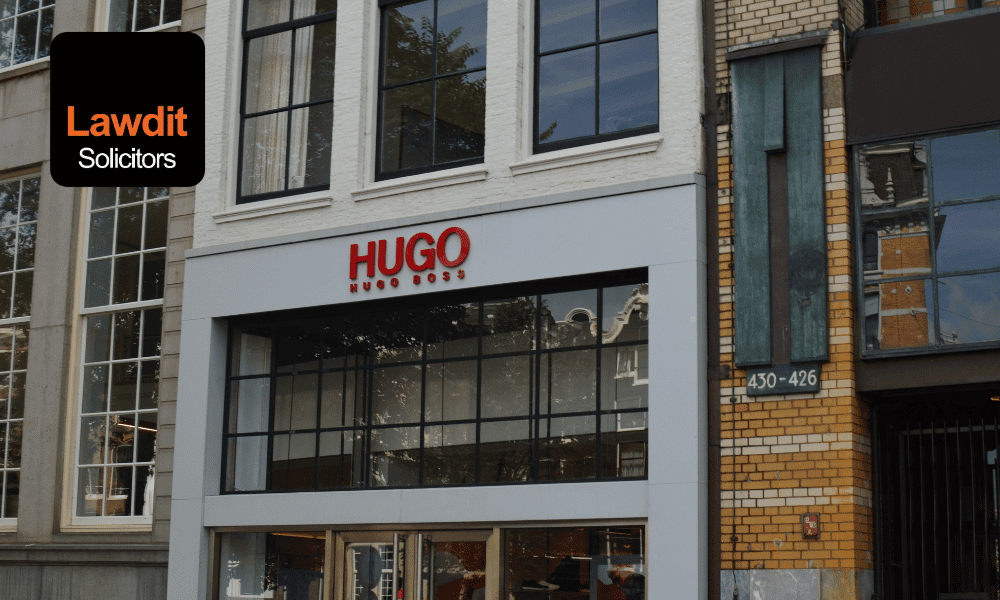
Hugo Boss, a major player in the global fashion industry, and Boss Pets, a small pet wellness business based in Liverpool, got into a legal dispute in June 2025. The pet company’s use of the word “Boss” in its name is at the heart of the dispute, which raises concerns about trademark rights and how to strike a balance between fair use and brand protection.(The Guardian.com)
The Origin of the Conflict
Earlier this year, Ben McDonald, a resident of Bootle, Liverpool, started Boss Pets with money he saved up. The business mostly conducts business online and specialises in pet health products. However, Hugo Boss sent McDonald a cease-and-desist letter claiming trademark infringement, demanding that the “Boss” name be removed from his company and that his website be taken down within ten days. This was a major setback to McDonald’s business endeavours.
McDonald expressed his dismay, stating, “My whole world collapsed.” The use of the term was a nod to local vernacular rather than an attempt to capitalise on the fashion brand’s reputation, he stressed, adding that “boss” is colloquial slang for something excellent or impressive in Liverpool.
Legal Views and Public Attitudes
Hugo Boss justified its actions by emphasising how important it is to safeguard its brand rights around the world. While acknowledging that the word “boss” is frequently used in English, a spokesperson insisted that in order to avoid brand dilution, the company must keep an eye out for and resolve any possible trademark overlaps.
Michael Coyle of Lawdit Solicitors commented on the situation, stating, “I have some sympathy for both sides here. On the one side, you have a rights holder who is perfectly correct to want to protect its iconic brand. On the other hand, the innocent user of the Boss Brand is scratching his head in amazement at just how silly the whole process is.”
This sentiment reflects a broader public discourse on the balance between enforcing trademark rights and supporting small businesses. The aggressive protection of trademarks by large corporations has, in some cases, led to public backlash, especially when perceived as targeting entities that pose minimal threat to the brand’s market position.
Historical Context: Hugo Boss’s Trademark Enforcement
This is not the first instance of Hugo Boss engaging in legal action over the use of the word “Boss.” In 2020, the company faced criticism for its legal approach towards Boss Brewing, a small Welsh brewery. The dispute garnered widespread attention when comedian Joe Lycett legally changed his name to “Hugo Boss” in protest, highlighting the perceived heavy-handedness of the fashion brand’s legal tactics.
Such incidents have sparked debates on the scope of trademark enforcement and the importance of context in assessing potential infringements. While companies have the right to protect their intellectual property, the application of these rights must consider the nuances of each case to avoid stifling legitimate business endeavors.
Implications for Small Businesses and Trademark Law
The case of Boss Pets underscores the challenges small businesses may face when their branding inadvertently intersects with established trademarks. It brings up important issues regarding the availability of legal options for business owners and the possible requirement for trademark law changes to take into account the realities of various markets and cultural expressions.
According to legal experts, small businesses and brand owners may both gain from a more nuanced approach to trademark enforcement. A more equitable balance can be reached by taking into account elements like the nature of the products or services, the possibility of consumer confusion, and the purpose of using a contested term.
In conclusion
The dispute between Hugo Boss and Boss Pets serves as a poignant example of the complexities inherent in trademark law. It highlights the tension between protecting brand identity and fostering an environment where small businesses can thrive without undue legal obstacles. Cases like these will surely influence future laws and procedures meant to provide fair results for all parties concerned as the discussion surrounding intellectual property rights develops.
info@lawdit.co.uk