Skip to content

Intro to Game-to-Anime Adaptations
Over the past decade, the boundary between gaming and television has steadily dissolved. Video games and animated series—once seen as separate industries-are now converging in bold and lucrative ways. Streaming platforms like Netflix and Crunchyroll have breathed new life into franchises such as The Witcher, Cyberpunk 2077, Castlevania, and most recently, Devil May Cry, introducing them to vast new audiences.
But what does this trend mean for creators? How do you turn a game-or even a raw concept-into an anime? And what risks, incentives, and rights are involved?
Why Video Games Are Becoming Anime
Several forces are driving this shift:
- Rich world-building: Games already provide immersive universes that lend themselves to episodic storytelling.
- Built-in fanbases: Studios can count on audiences who are eager for more content.
- Streaming demand: Platforms are hungry for original material, especially in anime and fantasy.
Together, these factors make gaming IP a goldmine for streaming services and animation studios alike.
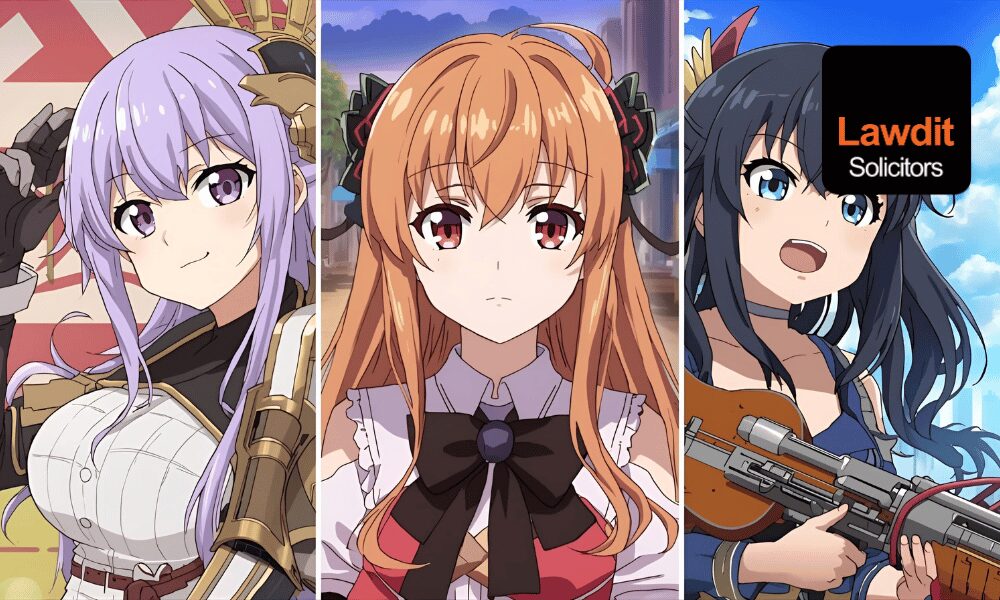
What It Takes to Adapt a Game Into Anime
For authors, illustrators, and developers, stepping into the animation world means navigating both creative and legal complexities.
1. Intellectual Property Comes First
Before pitching or developing an adaptation:
- Register your creations—characters, scripts, and world designs.
- Keep clear records of your development timeline.
- Use NDAs before sharing materials.
2. Understand the Rights Chain
If collaborators, co-writers, or funders are involved, contracts must clearly spell out:
- Who owns what.
- Who controls adaptation rights.
- How profits are split.
3. Know Your Creative Role
When your game becomes a show, your position may vary:
- Showrunner/creator: Heavy creative input.
- Consultant: Credited but limited involvement.
- Licensor: Minimal role beyond granting rights.
Your agreement should define your role in detail.
4. Pitching to a Studio
A strong pitch includes:
- A visual deck (“series bible”) covering world, characters, story arcs, tone, and target audience.
- Concept art, sample scenes, and even voiceover ideas.
- A partner studio or producer experienced in anime.

The Legal Essentials
Any adaptation contract should address:
- Credit & attribution: Ensure proper recognition.
- Royalties & residuals: Fair payment per episode, region, or platform.
- Approval rights: Especially for storylines, spin-offs, and designs.
- Reversion rights: If production stalls, rights should return to you.
Why It Matters
- Exposure: Access to global streaming audiences.
- Revenue: From licensing, merchandise, books, and live shows.
- Legacy: A successful adaptation can turn a niche indie title into a cult phenomenon.
- Creative fulfilment: Seeing your world brought to life through art, music, and performance.
Final Word
We are firmly in the era of cross-media storytelling. Creators can now build universes that extend far beyond games or graphic novels. But with this opportunity comes responsibility: protect your rights, understand production realities, and safeguard your intellectual property.
Think of your imagination as the engine-and your legal knowledge as the seatbelt. To start your journey into the world of anime and game adaptations, contact Lawdit Solicitors today.