Skip to content
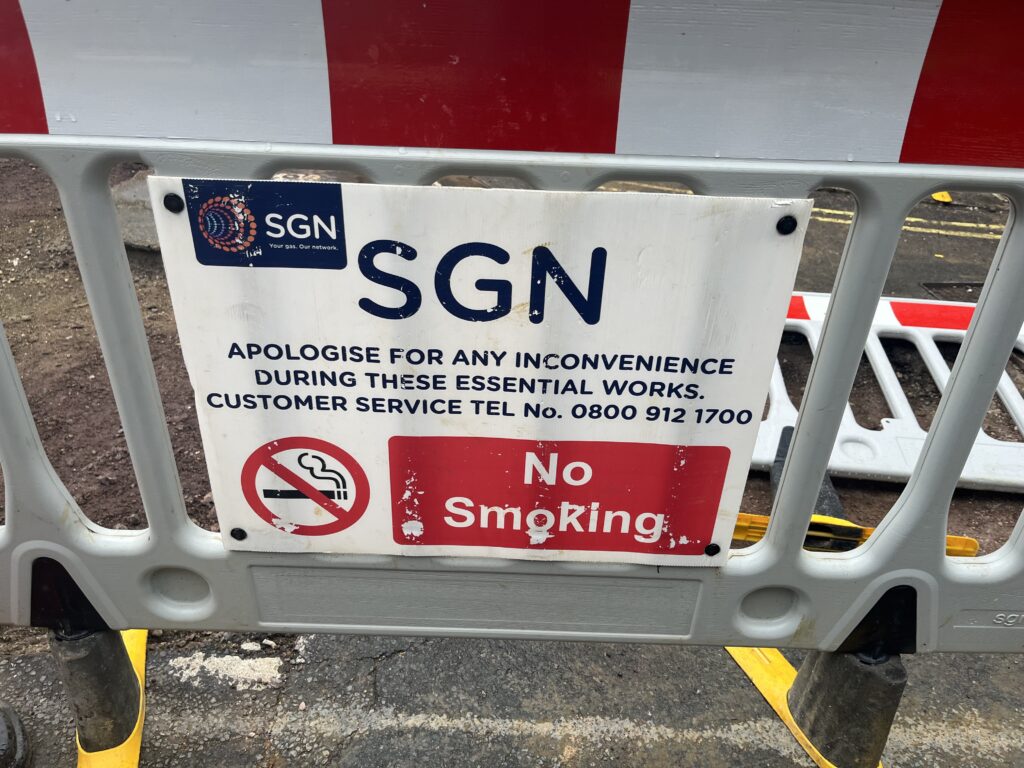
Compensation is generally not available. The principle argument I would presume would be that it is your choice to take on a business by a road and as the road will be free for public use for most of the year it follows that regular and emergency maintenance will need to be done if people are to be able to go near/enter your business safely going forward.
Parliament said in 2010 :”The general rule is that there is no compensation if a business is affected by road works. Successive governments have taken the view that businesses should not have the right in law to any particular given level of passing trade, and that traders must take the risk of loss due to temporary disruption of traffic flows along with all the other various risks of running a business. There is no statutory provision for compensation by the highway authority (as opposed to a utility) if a business is affected by road works. Where land is not being acquired, compensation for loss of business attributable to road works carried out by a utility is payable only where the relevant statute authorises it.”
However there can be compensation from utilities.
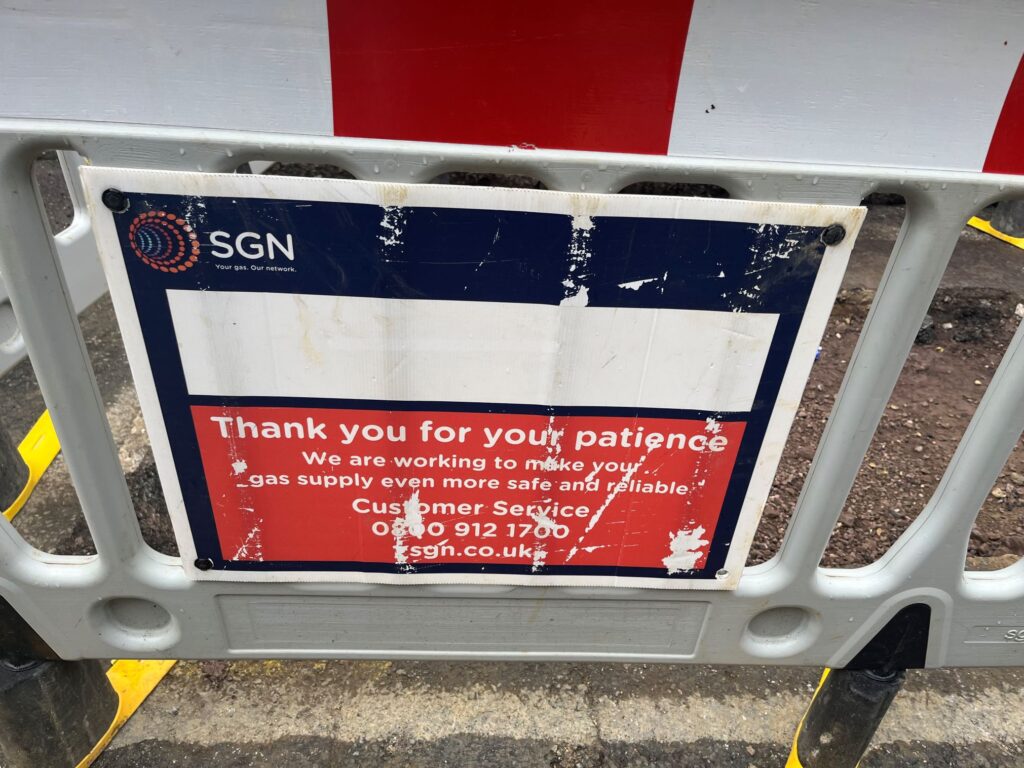
Because each utility operates under different legislation that was created during its privatisation in the 1980s, it is only permissible to compensate for business losses caused by road construction when the applicable statute permits it, and the amount of compensation varies depending on the utility.
For instance, provisions for payment for completed work are outlined in Section 180 and Schedule 12 of the Water Industry Act 1991, as amended, and Section 177 and Schedule 21 of the Water Resources Act 1991, as amended. These provisions were initially included in the Water Act 1989, which was a reaction to a legal case in which Thames Water and Leonidis concluded in 1979 that “losses” included both economic losses and profit-making losses.
Schedule 4(3) of the Gas Act 1986, as amended, stipulates that the undertaker may be required to open or break up a street, drain or sewer, or remove earth in or under a street in the course of installing pipes, etc., or occasionally repairing or altering these fittings. They also have to compensate for any damage caused. The Gas Act of 1995 changed this by adding a clause (Schedule 12(4)) stating that any losses incurred would be covered by a sum decided by regulations.
The Gas (street works) (compensation of small businesses) regulations 1996 (SI 1996/491) require a gas company to compensate a small business for any lost revenue resulting from the works for a minimum of 28 days, unless the compensation would fall below £500 or would not surpass 2.5 percent of the business’s yearly revenue.
The difference between the profit (or loss) that the business would have made if the works hadn’t occurred and the profit (or loss) that was actually incurred as a result of the works determines the compensation amount.
Within three months of the street improvements being finished, a person must reserve the right to seek compensation, and within six months of that time, they must provide supporting documentation. Strict definitions of small firms and their yearly turnover are part of this.
https://sgn.co.uk/help-and-advice/customer-service/guaranteed-standards/compensation
So in respect of SGN see the above link.
If the works take longer than 28 days. You will be entitled to compensation.